
Criminal Defense Attorneys in Erie, PA | Carney & Good
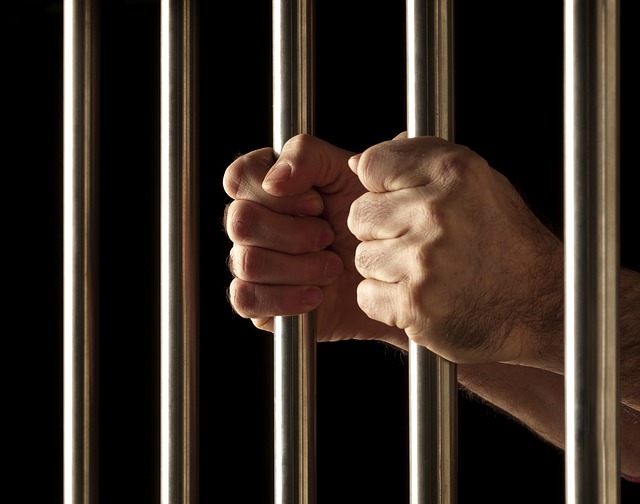
Receiving a criminal offense charge can be an intimidating and stressful experience. The criminal defense attorneys of Carney & Good are equipped to handle all types of criminal charges, including those that may seem minor.
We strive to help our clients get fair treatment in all types of criminal charges including:
- Controlled Substances
- Crimes Against Persons/Property
- Domestic Cases
- Traffic Offenses
- Juvenile Offenses
- Sexual Offenses
- DUI Defense
Our criminal defense attorneys at Carney & Good will work with you every step of the way in order to protect your rights. We have the resources, experience, and determination to help resolve any criminal defense dispute while acquiring the most beneficial outcomes possible. It is important to know your rights and act quickly in order to protect them before memories fade, evidence is lost, or witnesses disappear.
Don't wait to get help, contact Carney & Good in Erie, PA for legal counsel!Frequently Asked Questions
Do I have to speak to the police after an arrest?
How do I know what evidence the state has against me?
If I plan on pleading guilty, do I still need an attorney?
What's the difference between probation and parole?
What's the difference between a felony and a misdemeanor?